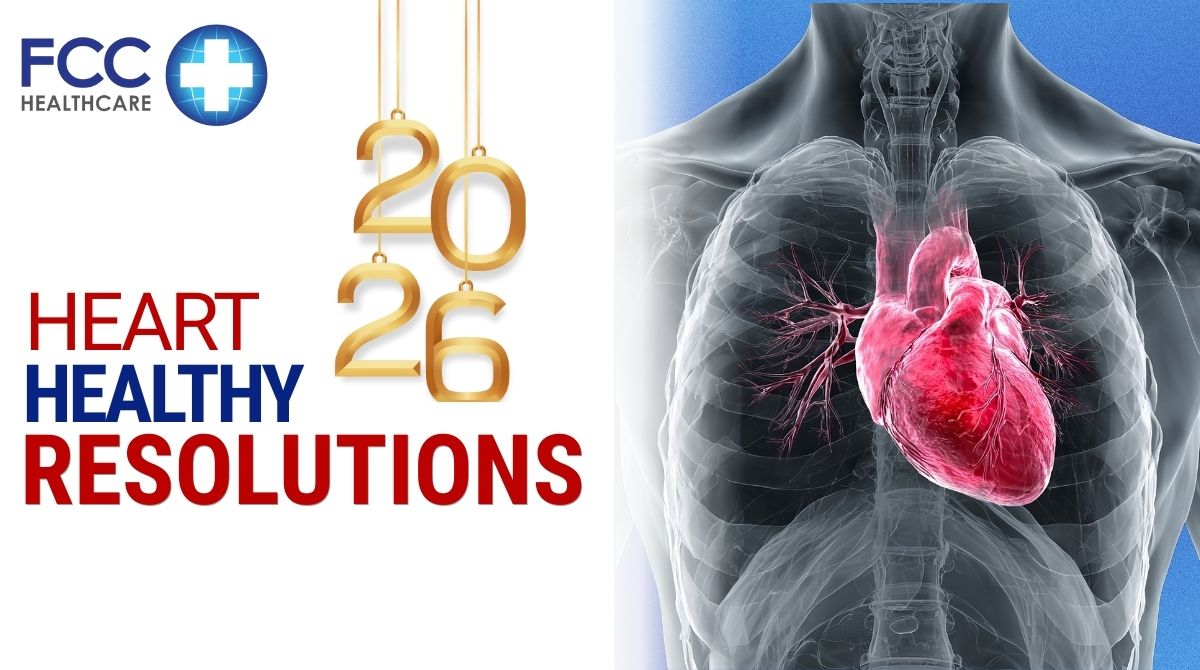

As we welcome 2026, many people are setting goals to improve their overall health. While fitness and weight loss often top New Year’s resolution lists, one of the most impactful commitments you can make is prioritizing your heart health. Cardiovascular disease remains a leading cause of illness, but proactive lifestyle changes and preventive care can significantly reduce your risk.
At First Cardiology Consultants, our board-certified cardiologists help patients build sustainable habits that support long-term cardiovascular wellness.
Heart-Healthy Resolutions to Start in 2026
- Exercise Regularly for Heart Health
Regular physical activity strengthens the heart muscle, improves circulation, and helps manage blood pressure and cholesterol.
The American Heart Association recommends 150 minutes of moderate aerobic exercise per week.
Best exercises for heart health include:
- Brisk walking
- Cycling or stationary biking
- Swimming
- Light strength training
Always consult a cardiologist before starting a new exercise program, especially if you have heart disease risk factors.
- Follow a Heart-Healthy Diet
A balanced, heart-healthy diet plays a critical role in heart disease prevention.
Diet tips recommended by cardiologists:
- Eat more fruits, vegetables, and whole grains
- Choose lean proteins like fish and legumes
- Reduce saturated fats and processed foods
- Limit sodium to help control blood pressure
Small dietary changes can lead to meaningful improvements in cholesterol management and overall heart health.
- Manage Stress and Improve Sleep
Stress and poor sleep are often overlooked contributors to cardiovascular disease.
Heart-healthy lifestyle habits include:
- 7–9 hours of quality sleep per night
- Mindfulness, meditation, or yoga
- Maintaining consistent sleep schedules
Managing stress effectively supports healthy heart rhythms and blood pressure control.
- Schedule Regular Cardiology Check-Ups
Knowing your cardiovascular numbers is essential for early detection.
Key heart health screenings include:
- Blood pressure checks
- Cholesterol and lipid panels
- Blood sugar testing
- Body mass index (BMI)
Routine visits with a cardiologist near you allow for early intervention and personalized care.
Why January Is the Best Time for a Cardiology Check-Up
January is an ideal time to schedule a heart health check-up. After the holidays, many patients experience elevated blood pressure, weight gain, and increased stress levels.
Benefits of a January cardiology appointment:
- Early identification of heart disease risk factors
- Establishing a cardiovascular health baseline for the year
- Customized exercise and nutrition recommendations
- Peace of mind through preventive care
Heart disease often develops without symptoms, making regular cardiology evaluations essential—even if you feel healthy.
Trust First Cardiology Consultants for Your Heart Care
At First Cardiology Consultants, we specialize in preventive cardiology, diagnostic testing, and personalized treatment plans. Whether you are managing a heart condition or focusing on prevention, our experienced cardiology team is here to support your health goals.
Make 2026 the year you commit to a heart-healthy lifestyle. Schedule your cardiology check-up today and take an important step toward protecting your heart.