
What Is Heart Bypass Surgery?
Heart bypass surgery, formally known as coronary artery bypass grafting (CABG), is one of
the most common procedures used to treat coronary artery disease. When plaque builds
up in the arteries and restricts blood flow to the heart, the result can be chest pain, heart
attacks, and declining cardiac function. Bypass surgery addresses this by creating a new
pathway for oxygen-rich blood to reach the heart muscle, improving both heart performance
and quality of life.
Who Is a Candidate?
Not all patients with blocked arteries require surgery. Many can be managed with
medication or stents. However, bypass surgery is typically recommended when a patient
has multiple blocked arteries, significant narrowing of the main coronary artery, diabetes
alongside heart disease, or weakened heart pumping function. In these higher-risk cases,
bypass surgery tends to deliver superior long-term outcomes compared to less invasive
alternatives.
How the Procedure Works
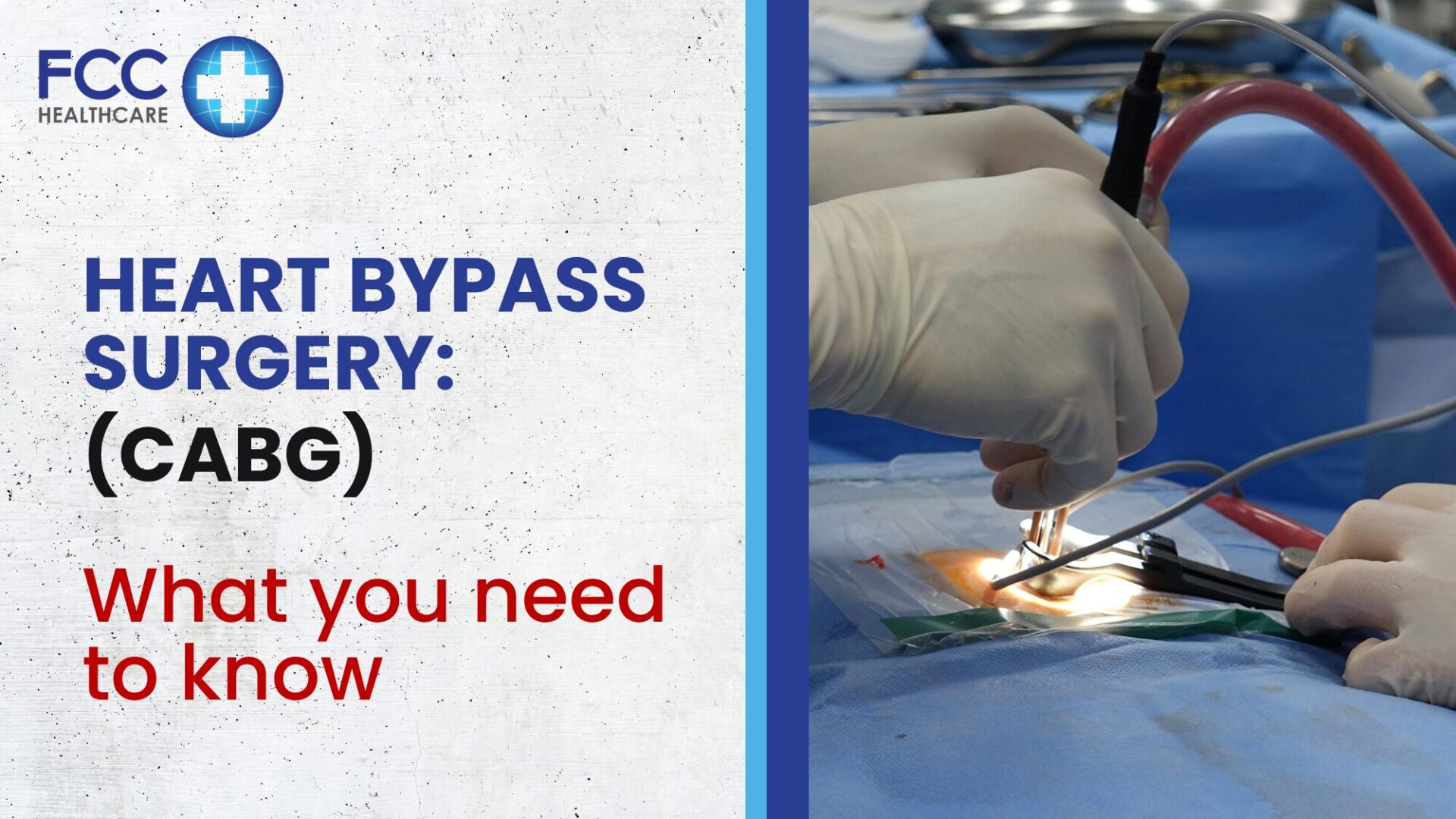
During CABG, surgeons harvest healthy blood vessels from elsewhere in the body to serve
as bypass grafts. The preferred vessel is the internal thoracic artery in the chest, valued for
its durability. When additional grafts are required, a leg vein or arm artery may also be
used. The surgery can be performed either on a beating heart or with the support of a
heart-lung machine that temporarily takes over circulation. The approach is tailored to each
patient’s condition.
Risks and Monitoring
As with any major surgery, CABG carries risks. Temporary irregular heart rhythms are
among the most common post-operative issues. Rarer complications include infection,
kidney stress, and stroke. Medical teams closely monitor patients throughout surgery and
during recovery to identify and manage any complications promptly, ensuring the best
possible outcome.
Recovery and Rehabilitation
Recovery is gradual but steady. Most patients begin in the intensive care unit before
transitioning to a standard hospital room, then continue healing at home. Heavy physical
activity is avoided in the early weeks. Cardiac rehabilitation programs combining
supervised exercise, health education, and lifestyle counseling play a key role in helping
patients rebuild strength safely and sustainably.
Long-Term Outlook
For the majority of patients, the long-term prognosis following bypass surgery is very
positive. Chest pain is typically relieved, and most individuals are able to return to normal
daily activities. To protect the bypass grafts over time, patients are encouraged to commit
to a heart-healthy lifestyle: taking prescribed medications, eating a balanced diet,
exercising regularly, and quitting smoking. With these measures in place, CABG can
significantly extend and improve quality of life.