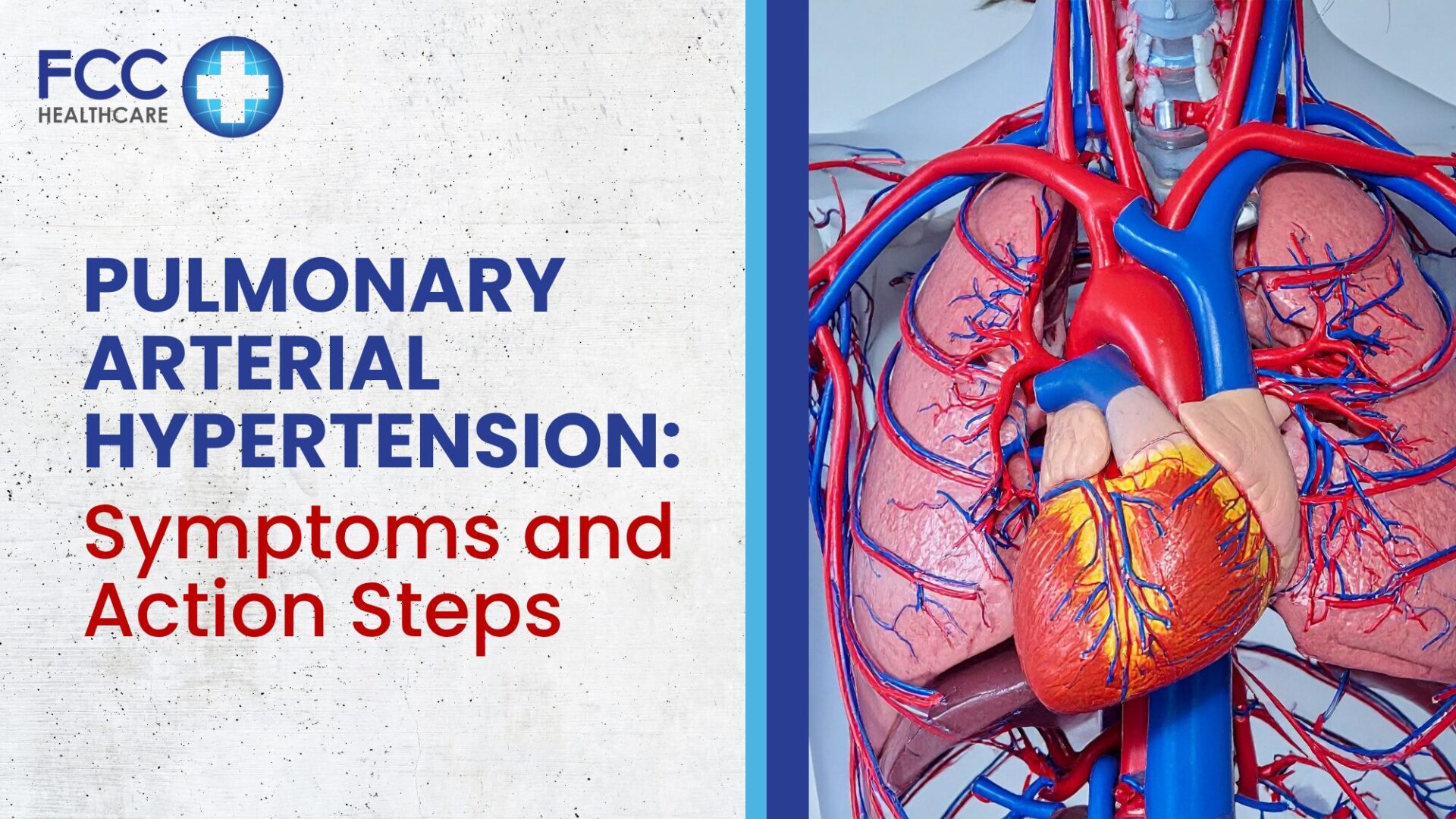

What Is Pulmonary Arterial Hypertension?
Pulmonary Arterial Hypertension (PAH) is a serious condition in which the arteries carrying
blood from the heart to the lungs become narrowed or stiff. This causes pressure to build in
the pulmonary arteries, forcing the right side of the heart to work harder to pump blood.
Because early symptoms are mild and often mistaken for common health issues, many
people live with the condition for years before receiving a diagnosis.
Early Symptoms
PAH symptoms typically begin gradually and tend to appear during physical activity.
Common early signs include shortness of breath during exercise, persistent fatigue,
reduced physical endurance, dizziness, and general weakness. Some individuals may
notice difficulty performing activities that were once routine. These symptoms arise
because reduced blood flow in the lungs limits the delivery of oxygen throughout the body.
Advanced Symptoms
As PAH progresses, symptoms become more pronounced. Patients may experience chest
discomfort, heart palpitations, or fainting episodes caused by reduced blood circulation and
oxygen levels. Swelling in the legs, ankles, or abdomen may develop as the heart struggles
to pump effectively. In severe cases, the lips or skin may take on a bluish tint due to
critically low oxygen levels.
How PAH Is Diagnosed
Diagnosis typically begins with echocardiography to assess heart function and estimate
pulmonary artery pressure. Additional tests such as lung function testing, CT imaging, and
blood work help rule out other causes. The definitive diagnostic procedure is right heart
catheterization, which directly measures pulmonary artery pressure and confirms the
diagnosis. Early diagnosis is essential, as timely treatment can slow disease progression
and meaningfully improve quality of life.
Treatment and Management
Treatment focuses on improving blood flow through the pulmonary arteries and reducing
strain on the heart. Physicians commonly prescribe medications that relax the blood
vessels in the lungs, and combination therapy targeting multiple biological pathways is
frequently used. Supportive care may include oxygen therapy, supervised exercise
programs, and diuretics to manage fluid buildup. In severe cases where medications prove
insufficient, lung transplantation may be considered.
Action Steps if You Notice Symptoms
Anyone experiencing persistent shortness of breath, unexplained fatigue, dizziness, or
swelling should seek medical evaluation promptly. Those diagnosed with PAH should
adhere closely to their treatment plan, attend regular checkups, and monitor any changes
in symptoms. Supporting long-term heart and lung health through regular physical activity,
avoiding smoking, and managing stress can also make a meaningful difference in
outcomes.
This Article is based on peer-reviewed literature. Always consult a qualified healthcare provider for personalized medical
advice